How to Start a Bin Store in 2026: Store Setup, Licensing & Your First Pallet Order
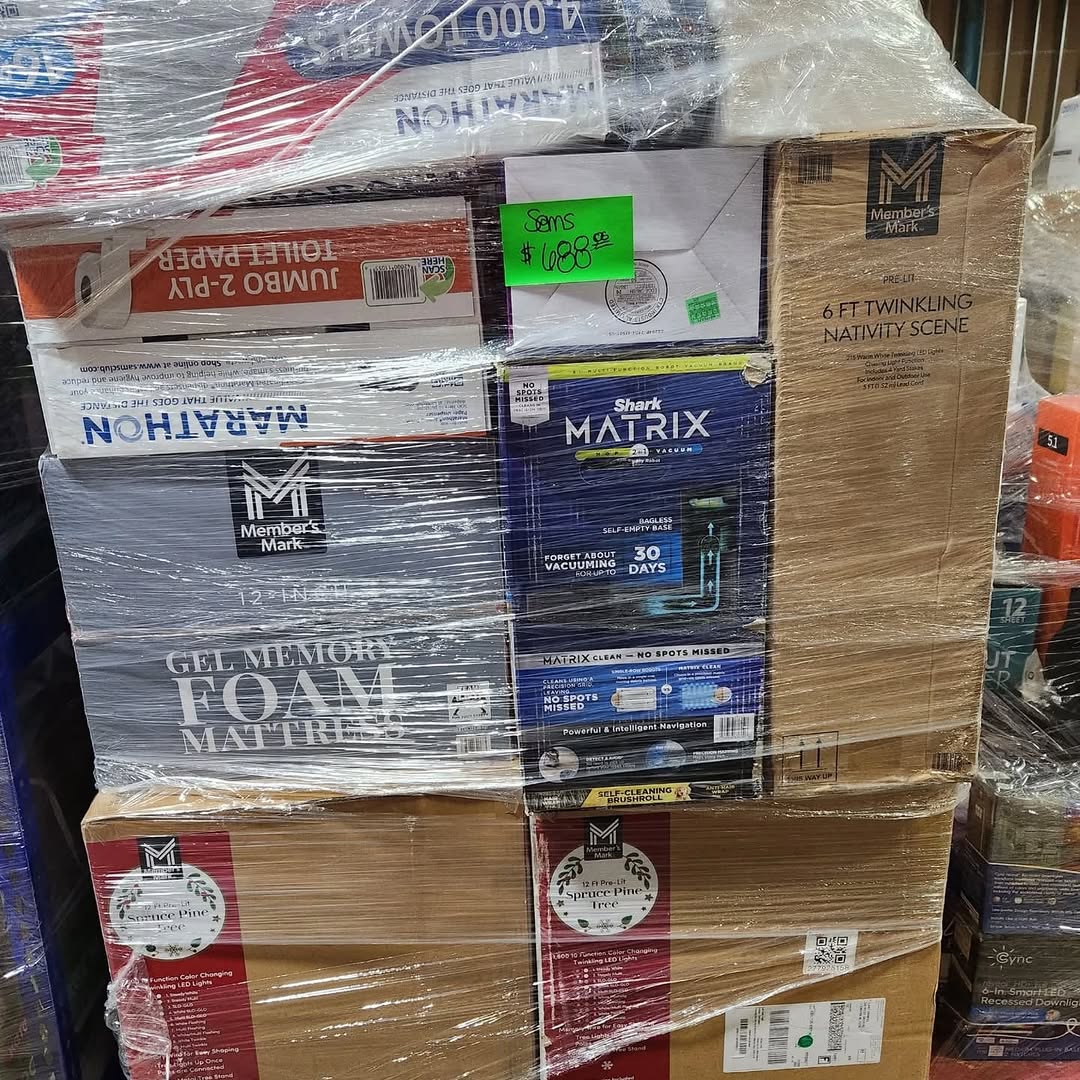
Wondering how to start a bin store? Bin stores are retail spaces where customers dig through liquidation merchandise at prices that drop daily, and they’ve grown into one of the fastest-expanding retail formats in the country. Here’s a practical walkthrough of setup, licensing, and sourcing your first pallet order.
What Is a Bin Store?
A bin store buys general merchandise, customer returns, and overstock pallets, dumps them into large bins, and sells everything at a flat starting price that drops each day until it’s gone. A common model starts around $10-$25 and drops toward $1. The model works because it turns unsorted liquidation inventory into a treasure-hunt shopping experience instead of requiring individual listing and photography.
Step 1: Licensing & Business Setup
Before you learn how to start a bin store the right way, get the paperwork sorted first.
- Register your business entity (LLC is the most common structure)
- Apply for a resale/reseller permit so you can buy wholesale tax-free
- Check local zoning — most bin stores operate under general retail zoning
- Get general liability insurance before opening to the public
Step 2: Finding Retail Space
Look for low-cost retail or warehouse-adjacent space with easy truck access for pallet deliveries. Strip malls, former big-box locations, and industrial-retail hybrid spaces all work well. You’ll want enough square footage for bin rows, a checkout area, and back-stock storage for unsorted pallets.
Step 3: Ordering Your First Pallets
📦 Starter Truckloads for Bin Stores
| Order Type | Price | Best For |
|---|---|---|
| Sam’s Club Truckload | $14,950 | Established stores needing full-day inventory |
| Amazon General Merchandise Pallet | $550 | First-time buyers testing the model |
| Amazon Small Pallet | $700 | Stores with limited storage space |
| Amazon 7ft Tall Pallet | $550 | High-piece-count bin fillers |
Step 4: Pricing Strategy
Most bin stores start each bin at a fixed price on “restock day” and drop the price daily over the following 4-6 days until items hit $1-$2. Unsold merchandise then gets swept out to make room for the next pallet. This creates urgency and keeps customers coming back multiple times a week to check new drops.
Pro Tip: Start with One Pallet Type
Don’t diversify into ten categories on day one. Start with general merchandise pallets, learn your sell-through rate and customer traffic patterns, then expand into electronics, tools, or clothing truckloads once you understand your local market.
Common Bin Store Mistakes to Avoid
Now that you know how to start a bin store, avoid these common early missteps:
- Underestimating storage needs: back-stock pallets pile up fast if you order faster than you sell through
- Skipping the manifest check: always confirm what category mix you’re getting before committing to a truckload
- Pricing too high on day one: the model depends on urgency — price drops are the whole draw
- Ignoring restock cadence: customers return based on how predictable your restock schedule is