How to Inspect a Liquidation Pallet Before Buying
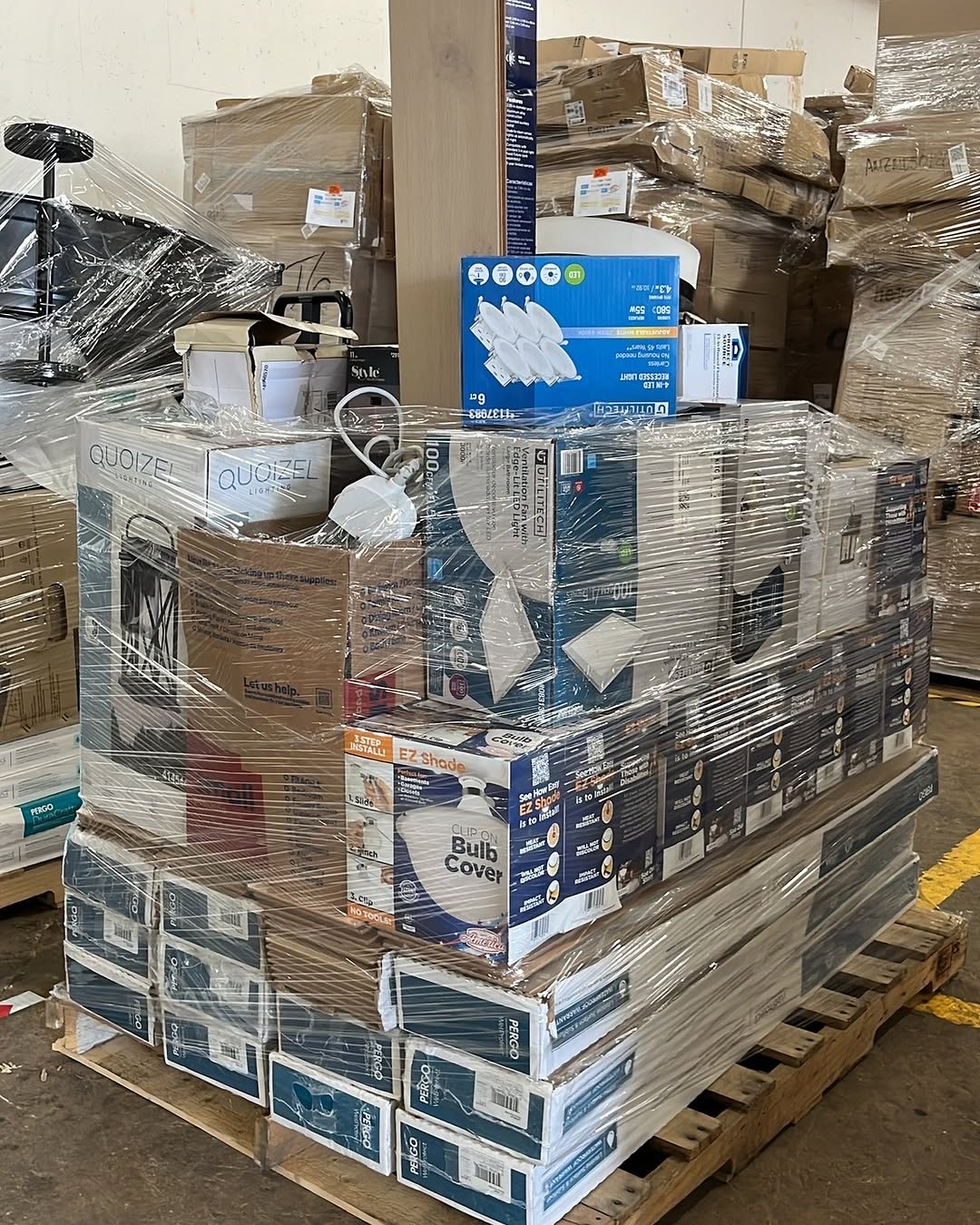
Knowing how to inspect a liquidation pallet before buying is the single biggest factor in whether your purchase turns a profit or turns into a loss. Whether you’re picking up in person or reviewing photos online, here’s exactly what to check before you commit.
Start With the Manifest
Before you even look at the physical pallet, request the manifest — an itemized list of what’s supposed to be inside. Compare item count, category mix, and estimated retail value against the asking price. If a seller can’t produce a manifest, treat that as a warning sign rather than an exception.
The Physical Inspection Checklist
| What to Check | What You’re Looking For |
|---|---|
| Packaging Condition | Torn boxes, water damage, or crushed corners signal rough handling |
| Seals & Tamper Tape | Broken factory seals suggest items may be incomplete or already opened |
| Item Count | Spot-count a sample against the manifest ratio before accepting the full load |
| Weight | A pallet that feels lighter than its manifest suggests may be missing items |
| Grading Consistency | Confirm the condition grade (new, like-new, salvage) actually matches what you see |
How to Inspect a Liquidation Pallet Before Buying Online
When you can’t inspect in person, ask the seller for close-up, unedited photos of the actual pallet you’ll receive — not stock photos. Reputable sellers will show real inventory, list a detailed manifest, and disclose their return or dispute policy clearly before you pay.
Pro Tip: Inspect a Sample Layer, Not Just the Top
Sellers sometimes stack the best-condition items on top. If you’re inspecting in person, ask to check a middle or bottom layer as well — it gives you a much more accurate picture of the pallet’s true condition.
Red Flags That Should Stop You From Buying
- No manifest available: a legitimate seller can always show you what’s inside
- Refusal to show real photos: stock images instead of the actual pallet is a warning sign
- Vague condition grading: “assorted” or “mixed” with no further detail hides risk
- No return or dispute policy: reputable liquidators stand behind their manifests