
Pallet Wood Outdoor Seating: A DIY Buyer’s Guide
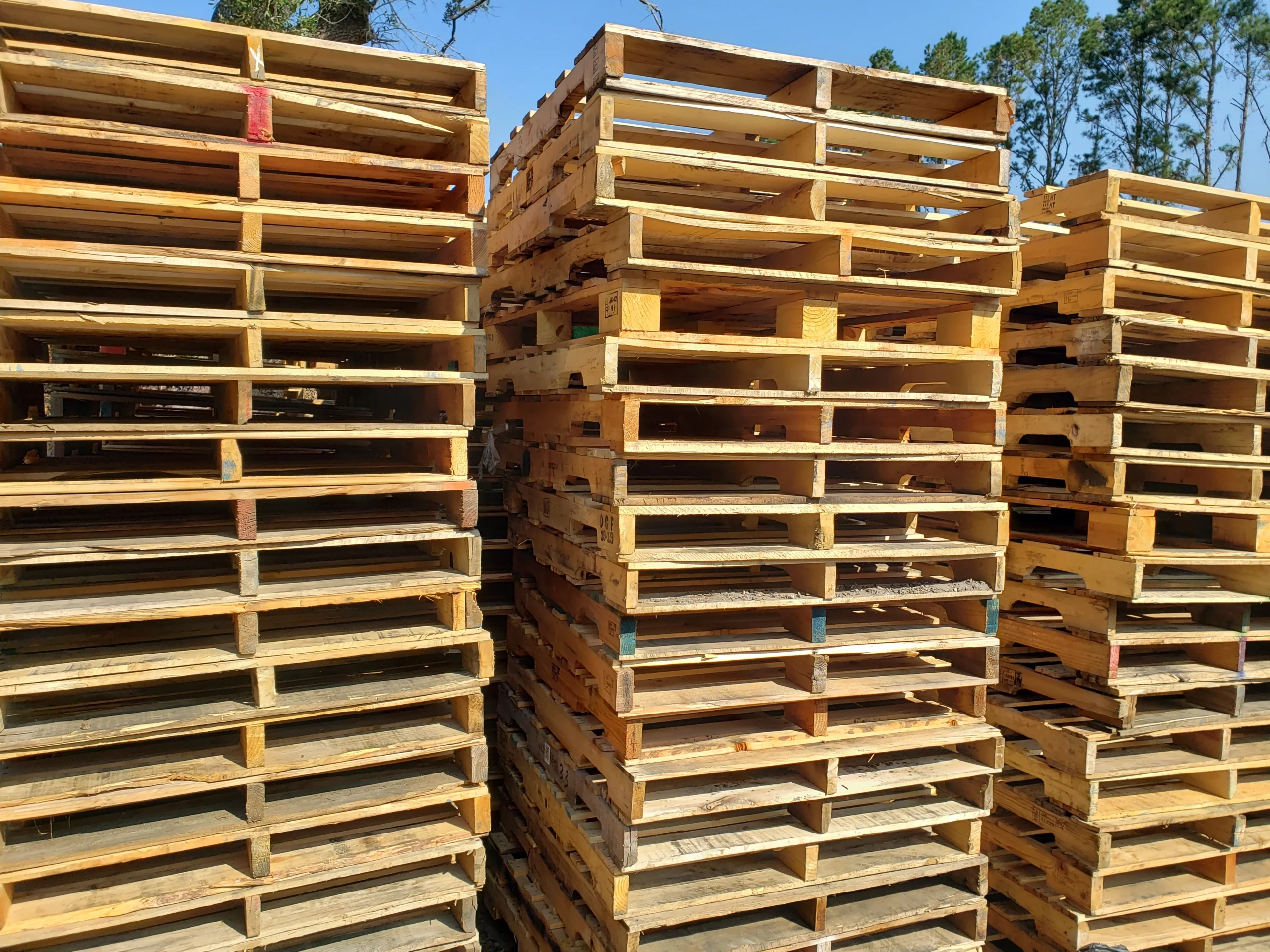
Pallet wood outdoor seating has become one of the most popular DIY backyard projects, and it’s easy to see why: a couch, bench, or daybed built from wooden pallets costs a fraction of retail patio furniture while giving you a completely custom look. Here’s what to know before you start building.
Why Pallet Wood Outdoor Seating Is So Popular
A single wood pallet can be broken down or used whole to build benches, sectional couches, coffee tables, and daybeds. Because the raw material costs so little compared to finished furniture, pallet wood outdoor seating lets you build a full patio set for a fraction of what a store-bought sectional costs — and you can size, stain, and configure it exactly to your space.
🪚 Source Your Pallet Wood
What to Look for Before You Build
| Check | Why It Matters |
|---|---|
| HT Stamp | Heat-treated pallets are safe for furniture; avoid MB-stamped (chemically fumigated) pallets |
| Board Condition | Check for splintering, rot, or insect damage before building |
| Consistent Sizing | Matching pallet dimensions make sectional pieces easier to align |
Basic Steps for Building Pallet Wood Outdoor Seating
- Sand every surface: rough pallet wood needs a full sanding pass before anyone sits on it
- Reinforce joints: add extra screws or brackets where pallets are stacked or joined
- Seal against weather: use an exterior wood sealant or stain rated for outdoor use
- Add cushions: outdoor-rated cushions and a UV-resistant cover extend the life of the wood underneath
Pro Tip: Buy in Bulk to Get Matching Wood
Buying a small truckload of pallets rather than collecting mismatched ones from local stores gives you consistent wood color, board width, and pallet size — which makes a multi-piece sectional look intentional instead of scrappy.
Maintaining Pallet Wood Furniture Outdoors
- Re-seal annually: outdoor pallet wood needs a fresh coat of sealant each season
- Store cushions indoors: extends cushion life significantly between uses
- Elevate off the ground: keeps the base boards from sitting in standing water
- Inspect joints each spring: tighten any screws that loosened over winter