Tool Liquidation Pallets vs. Buying Individual Tools: Which Gives Resellers Better Margins?
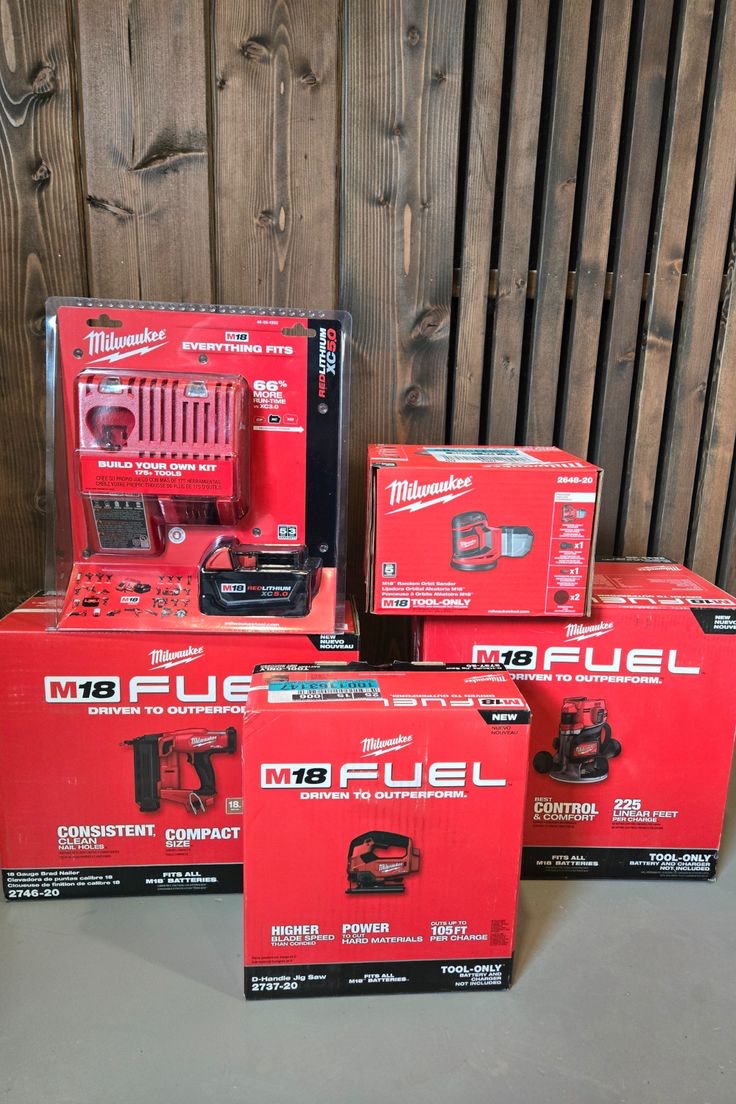
When you’re sourcing inventory to resell, tool liquidation pallets vs buying individual tools comes down to a simple trade-off: bulk cost efficiency versus per-unit control. Here’s how the economics actually compare so you can decide which fits your resale business.
The Core Trade-Off
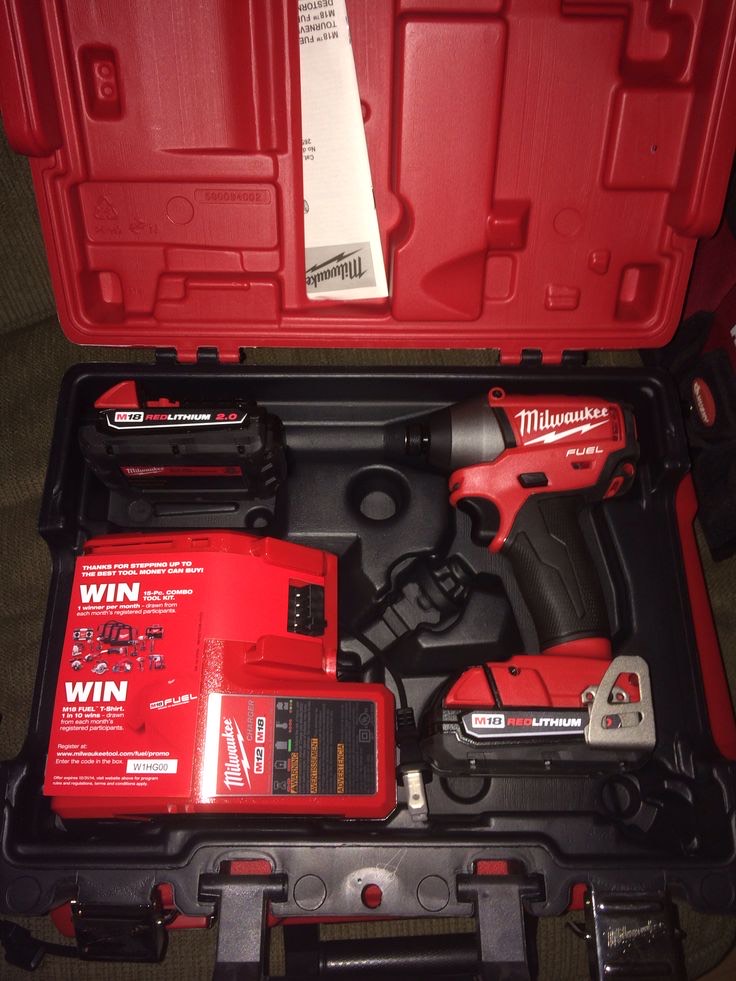
Buying individual tools — at garage sales, clearance racks, or auction lots — gives you full control over condition and price per item, but it’s slow and inconsistent. Tool liquidation pallets trade some of that control for volume: you get dozens of tools in one purchase, at a steep discount per unit, but with less certainty about individual condition until you unbox everything.
🔧 Tool Liquidation Pallets
Margin Comparison
| Factor | Tool Liquidation Pallets | Buying Individual Tools |
|---|---|---|
| Cost Per Unit | Significantly lower (often $10-$20/tool) | Higher, varies by source |
| Time to Source | One purchase, dozens of tools | Hours of hunting per item |
| Condition Certainty | Manifest-graded, some variability | You inspect each item yourself |
| Upfront Capital | Higher lump sum | Spread out, smaller purchases |
| Best For | Resellers scaling volume | Sellers wanting hand-picked, tested inventory |
Why Pallets Usually Win on Margin
Even accounting for some units needing repair or turning out untestable, the per-unit cost on a tool liquidation pallet is typically far below what you’d pay hunting individual tools at garage sales or clearance events. A $600 DeWalt pallet with 60-70 tools works out to under $10 per tool before resale — a margin individual sourcing rarely matches at scale.
Pro Tip: Blend Both Strategies as You Grow
Many resellers start with individual sourcing to learn tool values, then shift to liquidation pallets once they’re confident reading manifests and grading condition. Pallets scale faster; individual sourcing teaches the market.
Which Should You Choose?
- New to tool resale: individual sourcing builds pricing knowledge with lower risk
- Ready to scale: liquidation pallets deliver far better margins per hour invested
- Limited capital: individual sourcing spreads cost over time
- Have testing time available: pallets reward buyers who can test and grade tools quickly