
Pallet Manifest & Grading Guide: What “New,” “Like-New” and “Salvage” Actually Mean
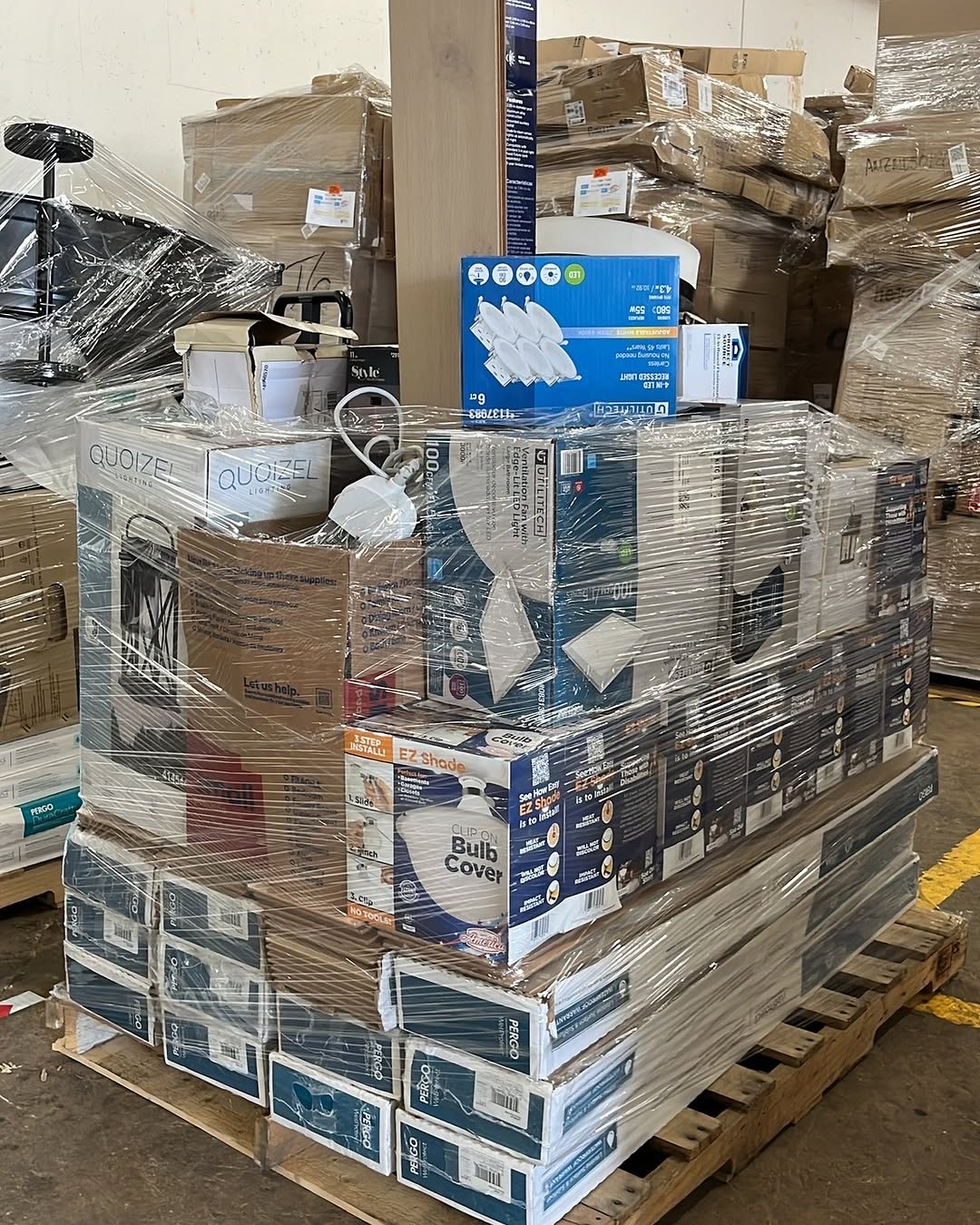
“New,” “like-new,” “customer returns,” “salvage” — every liquidation listing is covered in condition terms, and mixing them up is one of the easiest ways to lose money on your first few pallets. This guide breaks down exactly what a manifest is, what each condition grade actually means for resale, and what to check before you buy so there are no surprises when the pallet shows up.
📋 Pallets Sold With a Free Detailed Manifest
What Is a Manifest, Exactly?
A manifest is an itemized list of what’s supposed to be inside a pallet — typically the item name, SKU or ASIN, category, quantity, and an estimated retail value for each line. A good manifest lets you research resale prices before the pallet even ships, so you walk in knowing roughly what the load is worth instead of gambling on a mystery box.
Manifested vs. Unmanifested Pallets
Not every pallet comes with one. Here’s how the two options compare.
| Type | What You Get | Risk Level | Best For |
|---|---|---|---|
| Manifested | Itemized list with estimated retail value per line | Lower | Beginners, anyone planning inventory ahead of time |
| Unmanifested | General category description and photos only | Higher | Experienced buyers comfortable pricing on the fly |
Understanding Condition Grades
Condition grading tells you what state the merchandise is actually in — and it has a direct effect on how you should price and list each item. Here’s what the common terms mean in practice.
| Grade | What It Means | Typical Resale Expectation |
|---|---|---|
| New / Factory Sealed | Unopened, original packaging, never used | Sell at or near full retail |
| Like New / Open Box | Packaging opened, item unused or barely used | 10–20% below retail |
| Customer Returns | Sold and returned; condition ranges from unused to lightly used | Varies — test and grade each item individually |
| Refurbished | Repaired or restored to working condition, often tested | 30–50% below retail |
| Shelf Pulls | Never sold, pulled from retail shelves for reasons like discontinued lines or reset planograms | Near-new pricing in most cases |
| Salvage / As-Is | Damaged, incomplete, or non-functional; sold for parts or repair | Heavily discounted, parts or bulk-lot pricing |
How to Read a Manifest Line Item
Manifests can look intimidating the first time you open one. Here’s a simplified example of what a single line typically includes.
| Field | Example |
|---|---|
| Item description | Bluetooth Wireless Earbuds, Black |
| Quantity | 6 units |
| Condition | Customer Return |
| Estimated retail value (each) | $39.99 |
| Total estimated retail value | $239.94 |
Add up every line’s total estimated retail value and compare it to the pallet price — that ratio gives you a rough sense of the discount you’re getting before you factor in your own resale pricing and condition adjustments.
⚠️ Red Flags to Watch For in a Manifest
Be cautious of manifests that list only vague categories (“assorted electronics”) with no item-level detail, estimated values that seem inflated compared to actual retail prices, or sellers who can’t explain how the manifest was generated. A trustworthy manifest should hold up when you spot-check a few items against real retail prices.
Overstock vs. Shelf Pulls vs. Customer Returns
These three source types get lumped together, but they behave differently once you start selling.
| Source | Why It Exists | Typical Condition |
|---|---|---|
| Overstock | Retailer ordered more than it sold | New, unused |
| Shelf Pulls | Pulled for planogram resets or discontinued lines | New or near-new |
| Customer Returns | Bought and sent back by a shopper | Ranges widely — test everything |
Key Takeaways
- A manifest is an itemized list of what’s in a pallet, with estimated retail value per line — always ask for one as a beginner
- Manifested pallets carry lower risk than unmanifested pallets, since you know roughly what you’re buying
- Condition grades like “new,” “like-new,” and “salvage” directly affect how you should price and list each item
- Compare a manifest’s total estimated retail value to the pallet price to gauge your rough discount before buying
- Watch for vague category-only manifests or inflated values as warning signs of an unreliable listing
Frequently Asked Questions
What does “manifested” mean on a liquidation pallet?
It means the pallet comes with an itemized list of the products inside, usually including item name, quantity, condition, and estimated retail value for each line.
Is a customer returns pallet worth buying?
Yes, if priced accordingly. Customer returns range from unused to damaged, so budget time to test and grade every item, and price your discount into the purchase.
What’s the difference between shelf pulls and overstock?
Overstock is unsold inventory a retailer ordered too much of. Shelf pulls are items physically removed from store shelves, often for a planogram reset or discontinued line, and both are typically in new or near-new condition.
How accurate are estimated retail values on a manifest?
They’re estimates, not guarantees, and accuracy varies by supplier. Spot-check a handful of listed items against real retail prices before you buy to gauge how reliable the manifest is.
Shop Pallets With a Free Detailed Manifest
Know what you’re buying before it ships. Browse manifested pallets starting at $200.