How to Buy Tool Liquidation Pallets and Maximize Your Profit
Knowing how to buy tool liquidation pallets and maximize your profit takes more than just picking a brand — it’s a process. From checking the manifest to pricing individual tools for resale, here’s a step-by-step approach to buying smart and selling for real margin.
Step 1: Set Your Budget and Pick a Brand Focus
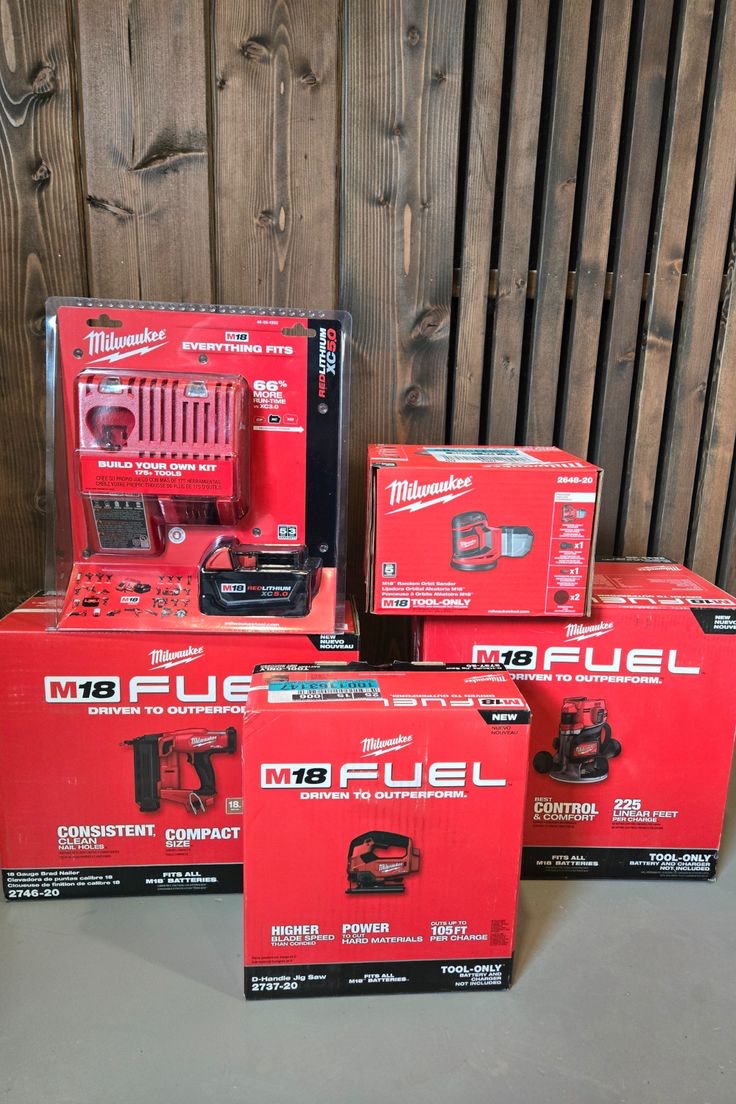
Decide how much capital you’re putting in before you start browsing. Single-brand pallets (DeWalt, Milwaukee, or Ryobi) are easier to market with a consistent story than mixed-brand truckloads, especially if you’re new to tool resale.
🛠️ Tool Pallets to Start With
Step 2: Check the Manifest Before You Buy
| Manifest Check | Why It Matters |
|---|---|
| Tool Model Numbers | Lets you research individual resale value before buying |
| Condition Grading | New vs. open-box vs. customer return changes your pricing strategy |
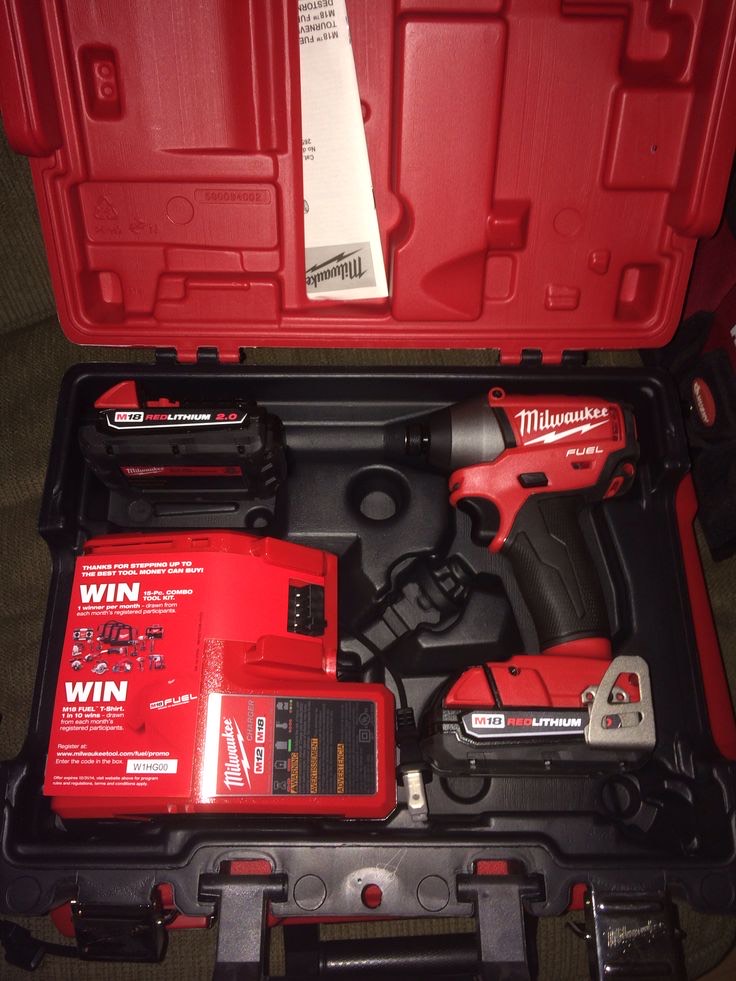
| Included Accessories | Batteries, chargers, and cases significantly affect resale price |
Step 3: Test Every Tool Before Listing
Power tools need a functional test before you list them as working. Charge batteries, test triggers and motors, and check for missing components. A tool listed as “tested and working” sells faster and for more than one marked “as-is.”
Pro Tip: Price Individually, Not by the Pallet
Breaking a tool pallet into individual listings almost always earns more total profit than reselling the whole pallet at once. It takes more time, but pricing each tool based on its own resale value maximizes your return per pallet.
Step 4: Choose the Right Resale Channels
- Facebook Marketplace: strong for local buyers who want to test tools before paying
- eBay: good for tools with recognizable model numbers and steady demand
- Flea markets: effective for moving volume on lower-ticket hand tools
- Contractor networks: word-of-mouth sales to tradespeople often move higher-value tools fastest
Step 5: Reinvest to Maximize Long-Term Profit
Track your cost-per-tool and actual resale price on your first pallet before buying a second. That data tells you which brand and condition grade delivers the best margin in your specific market, so every future purchase gets more profitable.